
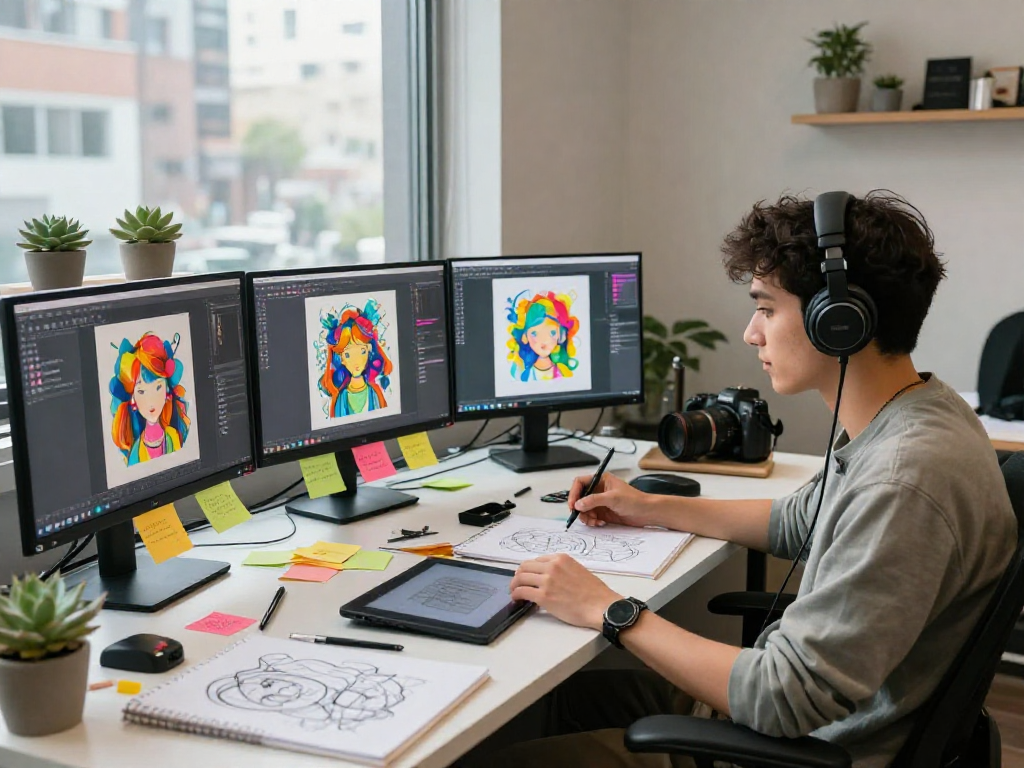
Understanding 18+ ai in Digital Art
As technology continues to reshape the landscape of creative expression, the emergence of 18+ ai represents a significant advancement in the digital art realm. By leveraging artificial intelligence, artists are discovering new ways to conceptualize and create art that transcends traditional boundaries. This exploration is not just a trend; it marks a pivotal change in how creativity is perceived and executed.
What is 18+ ai technology?
18+ ai technology refers to the use of artificial intelligence systems to create, enhance, or assist in the production of adult-themed digital art. This encompasses a variety of applications, from generating realistic human figures to creating complex environments that challenge conventional portrayals. With algorithms capable of understanding and replicating artistic styles and techniques, 18+ ai has democratized access to high-quality artistic expression.
The evolution of AI in creative fields
The integration of AI into the creative process isn't entirely new; however, its capabilities have evolved dramatically over the last decade. Initially, AI played a supportive role—helping artists refine their work through tools like image enhancement and color correction. Today, AI can generate entire pieces of art by learning from existing styles and patterns. This evolution highlights the profound impact AI has on the creative process, allowing artists to experiment and innovate like never before.
Common misconceptions about AI in art
Despite the advancements, several misconceptions persist regarding AI's role in art. Some believe that AI-generated art lacks authenticity or emotional depth, arguing that art must be a purely human endeavor. However, this viewpoint overlooks the collaborative nature of art creation, where artists engage with AI as a tool, much like a paintbrush or a camera. It's essential to recognize that AI complements human creativity rather than replaces it.
How 18+ ai is Transforming Artistic Expression
As we delve deeper into the implications of 18+ ai in the art world, it becomes evident that this technology is altering the very fabric of artistic expression. With its unique capabilities, AI empowers artists to explore themes and concepts that might have previously been unattainable.
Innovative techniques using AI for art creation
Artists are experimenting with various innovative techniques using 18+ ai. For instance, generative adversarial networks (GANs) allow creators to combine elements from multiple styles to produce unique art pieces. This technology not only enhances creativity but also invites collaboration between human artists and AI systems, leading to groundbreaking works that challenge our understanding of art.
Real-world applications of AI-generated art
AI-generated art finds applications across numerous sectors. Beyond traditional art shows, it is making waves in advertising, video games, and even fashion design. Companies are increasingly commissioning AI artists for unique designs and marketing materials, indicating a growing acceptance of AI contributions in commercial and artistic spaces.
Case studies: Successful artists utilizing 18+ ai
Several artists have successfully harnessed the power of 18+ ai to elevate their work. Take, for example, the artist Refik Anadol, who integrates AI with architectural installations, creating immersive environments that engage viewers in transformative ways. Another notable case is the collaboration between artists and AI platforms like DALL-E and Artbreeder, which allow creators to generate stunning visuals that push the boundaries of imagination.
Best Practices for Integrating 18+ ai in Your Workflow
To fully capitalize on the potential of 18+ ai, artists should consider implementing best practices in their workflow. By doing so, they can create seamlessly integrated art projects that utilize AI without compromising their artistic vision.
Effective tools and software for artists
A variety of tools are available for artists interested in utilizing 18+ ai in their projects. Software like DeepArt and Runway ML offers user-friendly interfaces that facilitate the integration of AI in creative workflows. Additionally, platforms that focus on generative art provide artists with the necessary resources to explore and implement AI-driven techniques.
Steps to start using AI in your art projects
Starting with AI can be an exciting venture. Here are key steps to integrate AI into your artistic projects:
- Research various AI tools and select those that align with your artistic style.
- Experiment with different techniques to discover what works best for your vision.
- Collaborate with AI, allowing the technology to inspire new ideas and directions.
- Continuously refine your approach based on feedback and personal reflection.
Measuring the impact of AI on your art
To understand how AI affects your artistic process and outcomes, it's essential to measure its impact. This can involve soliciting feedback from peers, tracking audience engagement, and reflecting on how AI influences your creativity and efficiency. By analyzing these aspects, artists can refine their practice and make informed decisions about their future projects.
Challenges and Ethical Considerations in 18+ ai Art
While 18+ ai opens up new opportunities, it also brings forth significant challenges and ethical considerations that artists must navigate in their creative journeys.
Common challenges artists face with AI
One prevalent challenge is the potential for over-reliance on AI, which may stifle creative instincts and intuition. Additionally, artists may struggle with the steep learning curve associated with mastering AI tools and technologies. It's crucial for artists to strike a balance between leveraging AI's capabilities and maintaining their unique creative voice.
Ethical implications of AI in the creative industry
The introduction of AI in art raises several ethical questions. For instance, who owns the copyright to AI-generated work? Furthermore, artists must consider how their work may influence societal norms and cultural representation. Addressing these ethical implications requires thoughtful dialogue within the community and a commitment to responsible AI use.
Navigating copyright and ownership issues
As AI-generated art becomes more prevalent, copyright issues can become complex. Artists should familiarize themselves with existing laws surrounding intellectual property and consider legal counsel to navigate any potential disputes. This awareness is vital in protecting both the artist's rights and the integrity of the work produced through AI.
Future Trends in 18+ ai and Digital Art
Looking ahead, the landscape of 18+ ai and digital art is poised for exciting developments that will further transform artistic practices and societal perceptions of art.
Predictions for 2026 and beyond
By 2026, it is expected that AI will play an even more prominent role in the artistic landscape, with more artists embracing AI as a fundamental component of their work. We may witness the emergence of new genres and styles that are distinctly AI-influenced, reflecting a unique blend of human and machine creativity.
Emerging technologies in AI art
The rapid pace of technological advancement will likely introduce innovative tools that enhance the capabilities of artists. Advancements in machine learning and neural networks could lead to more sophisticated AI systems that understand and predict artistic trends, enabling artists to create relevant and engaging works that resonate with audiences.
The evolving role of artists in an AI-driven world
As AI continues to advance, the role of the artist will evolve. Artists will increasingly become facilitators of creativity, curating AI-generated content and guiding its application in meaningful ways. This shift will encourage a deeper exploration of what it means to be an artist in an era where human creativity and artificial intelligence intersect.